Selected works
2012–2026Encore
Encore is about the mental image itself, the object of desire that keeps changing shape like Proteus. The fantasy survives in imagination and contemplation precisely because it is never fulfilled. Reality never meets it. The figure never turns. Nothing is ever completed, so the desire always returns to the beginning.
The room is static and dark like a darkroom. The only light spills in from a doorway. The figure dances slowly, the weight shifts from one hip to the other and energy rises up the spine. Rapture has captured the mind. The hyperfocus breaks now and then on the distractions of reality.
The sound breathes with the image: a low drone, a pulse that grows and skips a beat before every rupture. After the last one the illusion breaks. Until it starts again. Encore.
Bloodhound for Oblivion
Bloodhound for Oblivion is about addictive euphoria — the rapture of a mental image attached to the object of an addictive desire and to the behavior that desire drives. The behavior itself ends up bleak and leaves you empty, but the chase and contemplation of that image is pure lust and rapture.
The piece runs the cycle as a seamless loop: color seeps into an empty gray world, swells into rapture, races into frenzy and tears apart — a flash of white, then emptiness. Slowly the craving returns, and the viewer waits for the color alongside it. The synthesized soundtrack breathes with the image: a low drone, an accelerating pulse, a wall of noise cut to silence.
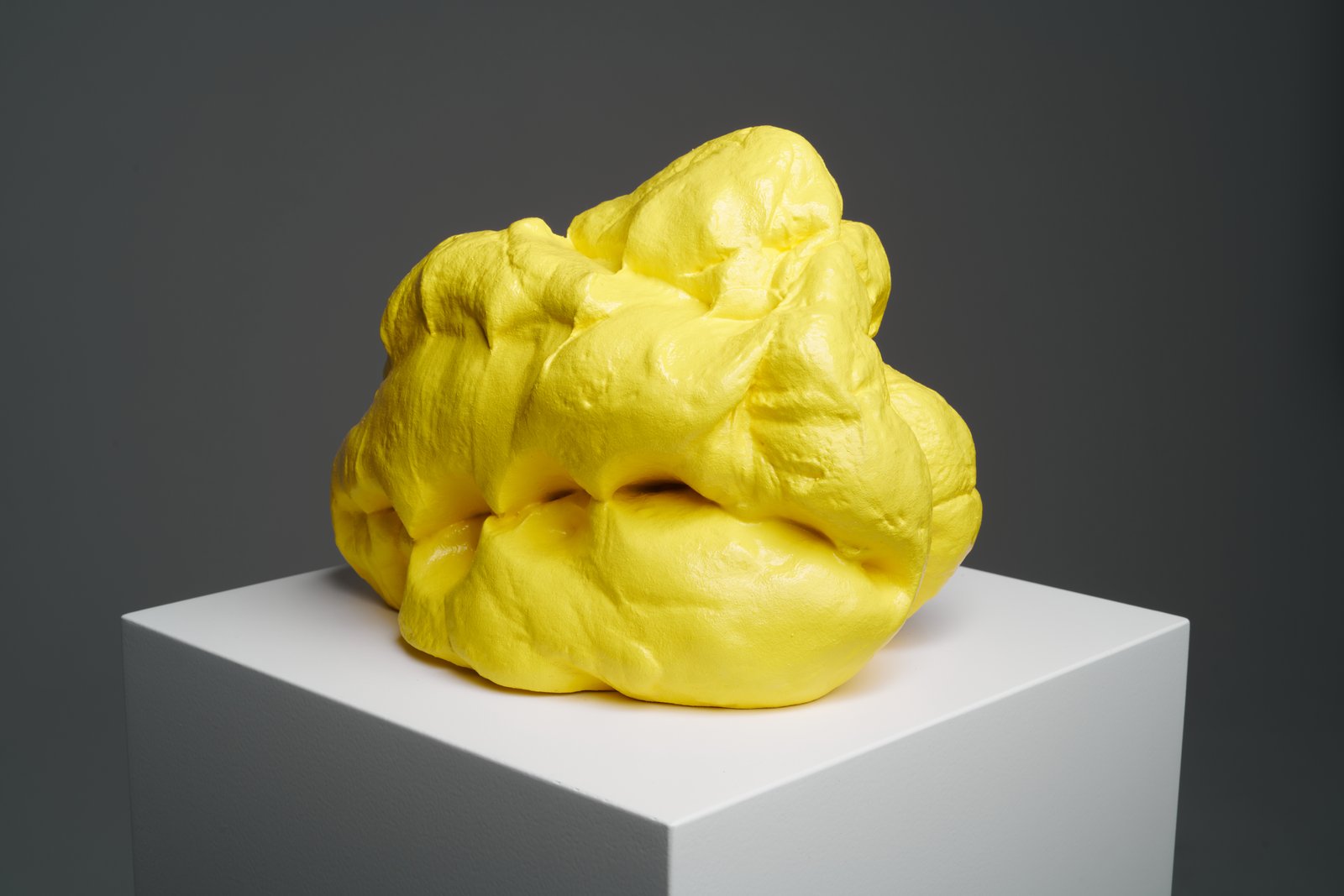
Bad Taste
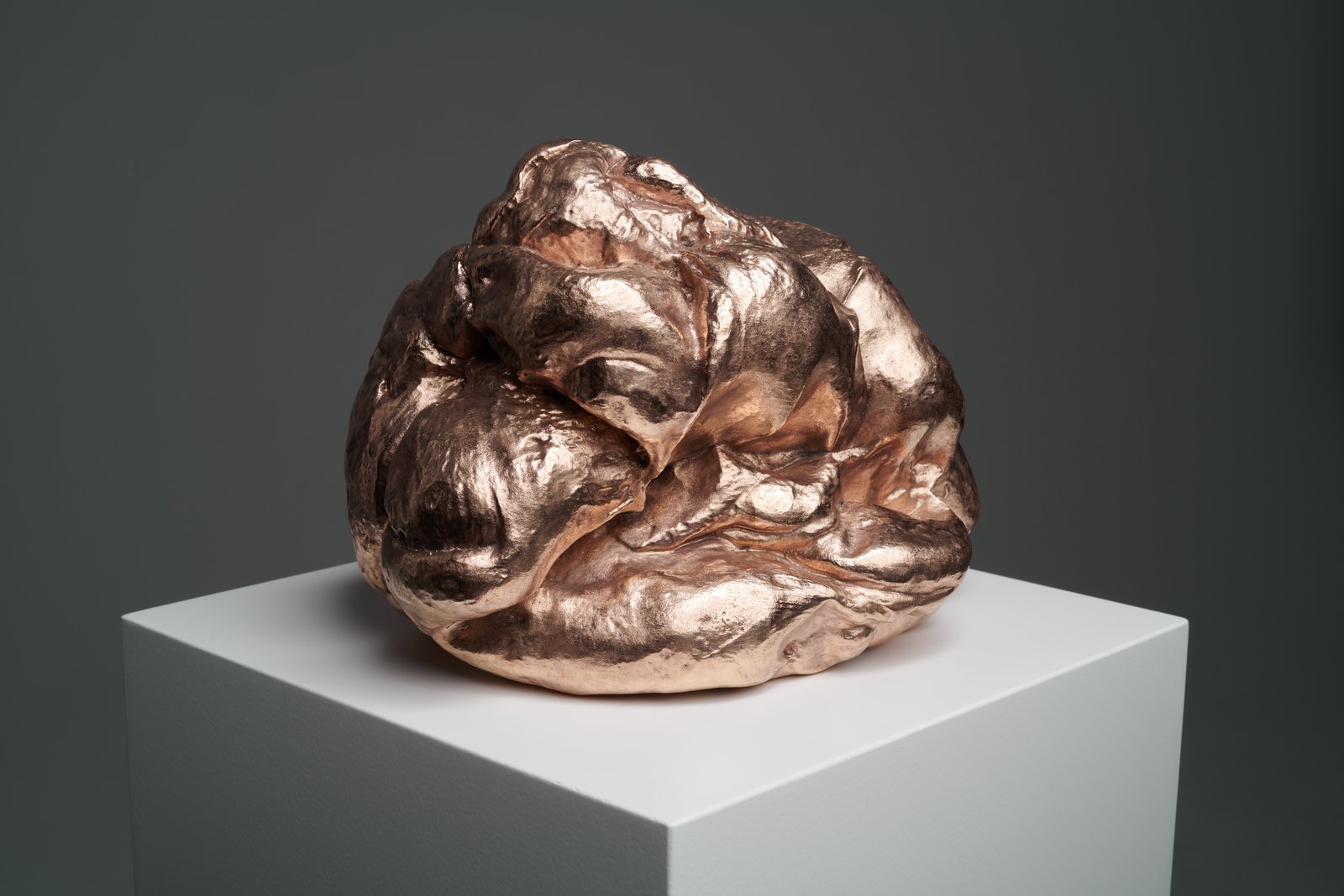
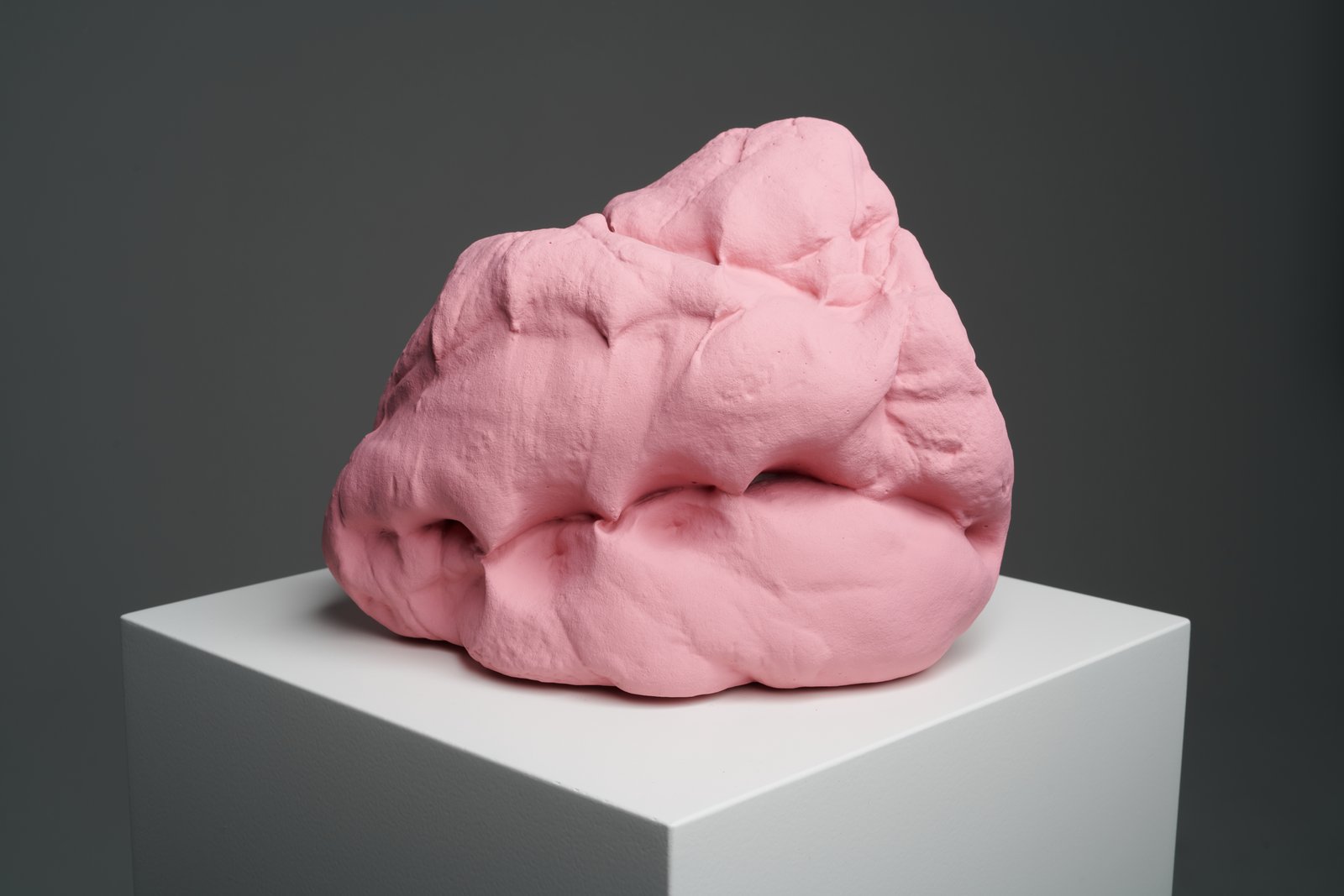
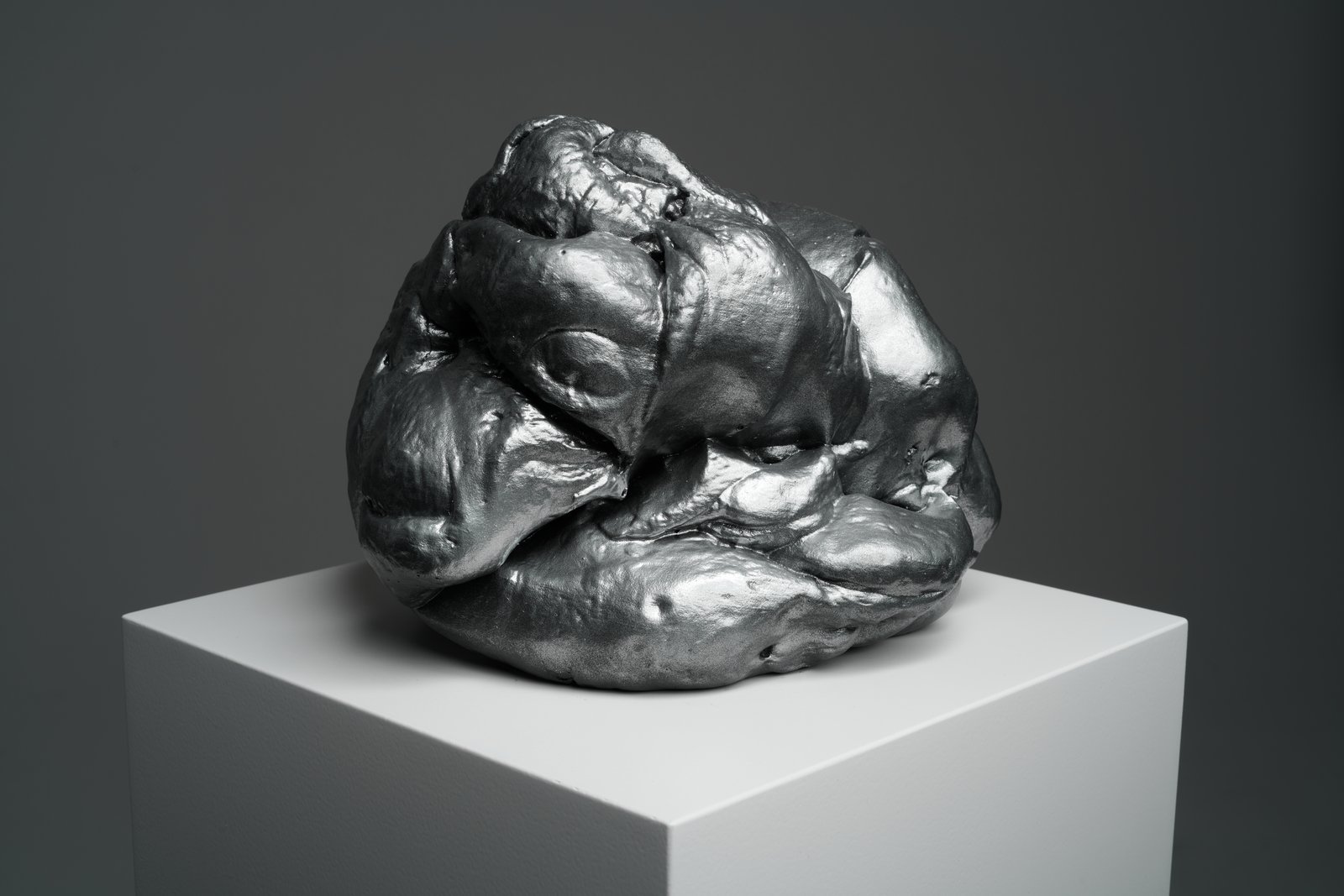
A chewed pack of bubble gum — spat out, dried, 3D-scanned, enlarged to the size of a football, molded and cast. My body worked it and rejected it; the artistic process made it a monument.
The work is a self-portrait of a kind: a metaphor for how I completely lost my taste for being an artist during my master's years — and at the same time the first work of my return to art.
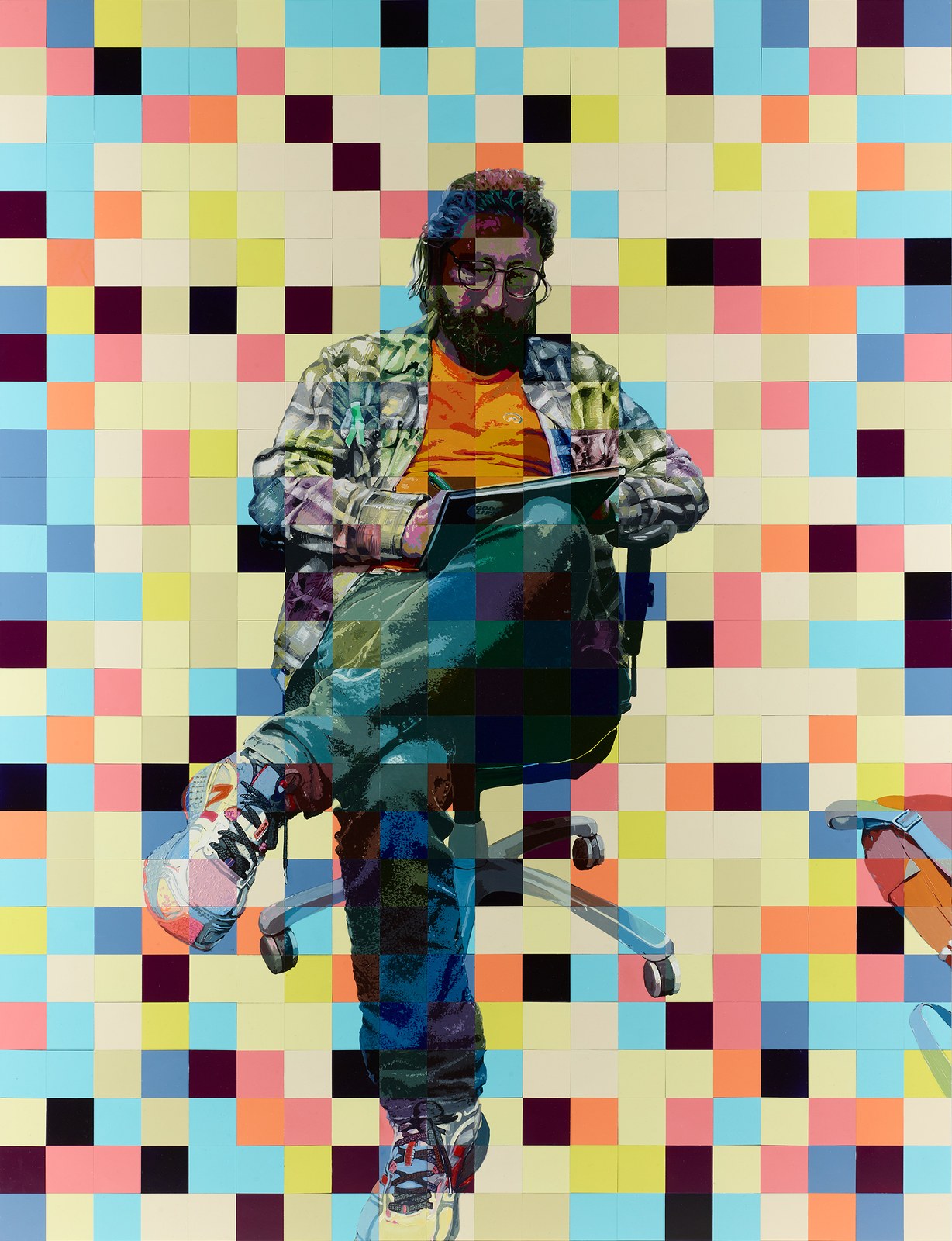
Portrait of Psychiatrist Antti Loimalahti
A commissioned portrait built from hand-painted pieces of aluminium dibond. Up close the figure pixelates into parts; seen from a distance a person emerges — a fitting visual language for a psychiatrist, whose work is assembling coherence from fragments.
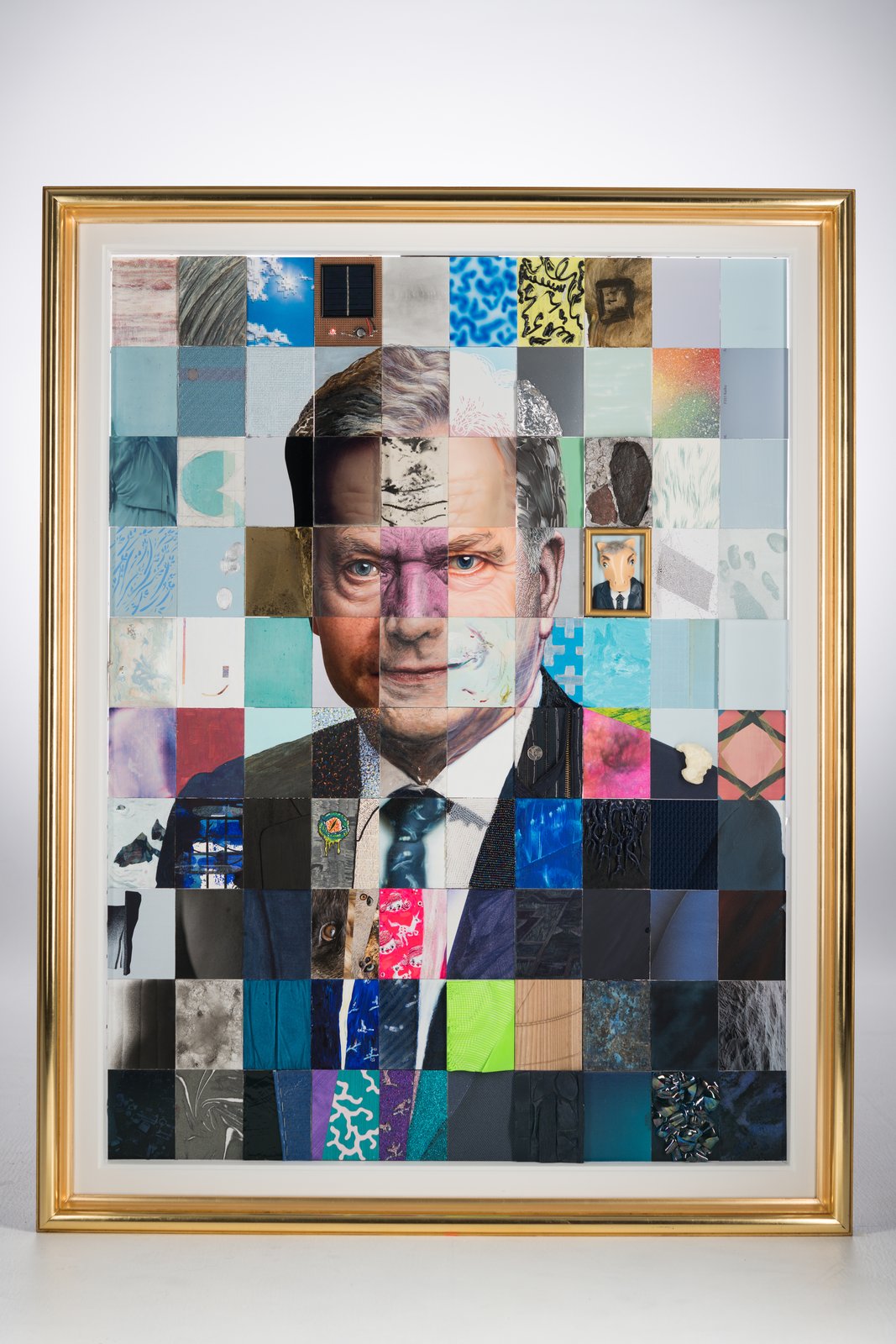
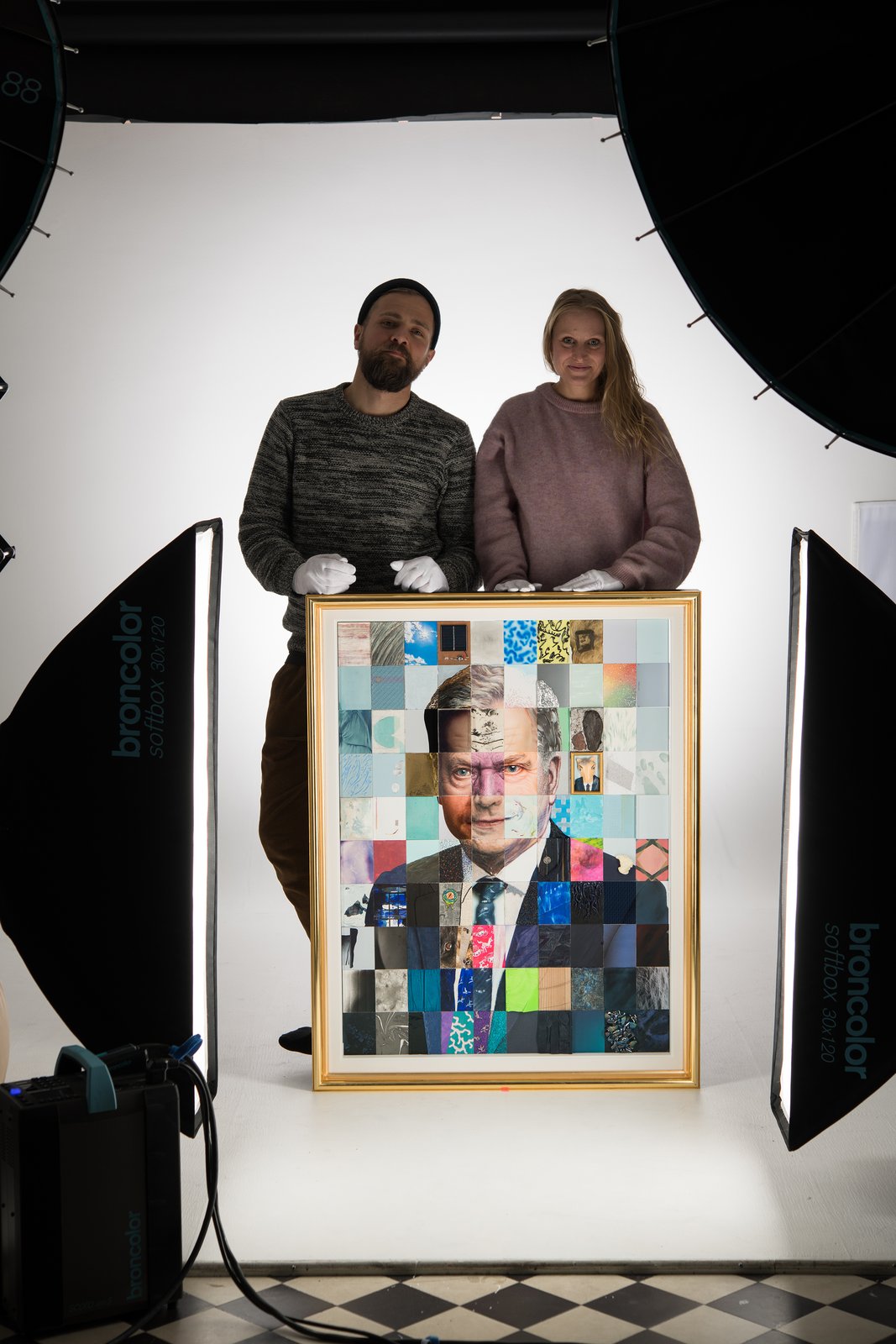
Portrait of President of the Republic Sauli Niinistö
At the president's own request, his official portrait was made with a method Linnavirta had been part of creating as a student: the president was photographed in a studio, the photograph divided into one hundred pieces and assigned by lot to one hundred Finnish artists — each free within decorum, none aware of the others' pieces.
Produced with Anita Naukkarinen. The work was unveiled at the Prime Minister's Office on 4 May 2018 and exhibited at Ateneum Art Museum the same summer. One hundred hands, one face — democracy as a portrait method.
Participating artists
Linda Emily Al-Ghussein / Kristoffer Ala-Ketola / Jyri Ala-Ruona / Roma Auskalnyte / Felipe de Avila / Gabriel de la Cruz / Marie El-Ahmar / Erika Erre / Jiri Geller / Anu Haapanen / Jenni Haili / Miikka Halonen / Hannah Hamberg / Ilari Hautamäki / Viljami Heinonen / Karoliina Hellberg / Juha Arvid Helminen / Inma Herrera / Maiju Hukkanen / Riikka Hyvönen / Suvi Härkönen / Niklas Ingelius / Veera Inkeri / Artor Jesus Inkerö / Kristian Jalava / Maaria Jokimies / Kim Jotuni / Anssi Kasitonni / Mari Kasurinen / Johanna Ketola / Saija Kivikangas / Klaus Kopu / Sami Korkiakoski / Päivi Koskinen / Arja Kärkkäinen / Tuomo Laakso / Maria Laine / Antti Laitinen / Heidi Lampenius / Maija Lassila / Kalle Leino / Anna Leppä / Carl Sebastian Lindberg / Atro Linnavirta / Aino Lintunen / Harrie Liveart / Iisa Maaranen / Susanna Majuri / Aleksi Martikainen / Jaakko Mattila / Tommi Mustaniemi / Kalle Mustonen / Riku Mäkinen / Anita Naukkarinen / Katri Naukkarinen / Reima Nevalainen / Akuliina Niemi / Jenni Niskala / Tero Niskanen / Cecilia Nykvist / Konsta Ojala / Fabian Olovson / Ari Pelkonen / Emma Peura / Olli Piippo / Tiina Pyykkinen / Erno Raitanen / Tiina Raitanen / Bita Razavi / Aurora Reinhardt / Gregoire Rousseau / Kirsikka Ruohonen / Jarkko Räsänen / Nastja Säde Rönkkö / Raimo Saarinen / Stiina Saaristo / Sampsa Sarparanta / Angelica Saukkonen / Maija Savolainen / Pia Sirén / Kim Somervuori / Saku Soukka / Kaarlo Stauffer / Maria Stereo / Suvi Sysi / Tuukka Tammisaari / Tuija Teiska / Niina Tervo / Tommi Toija / Jenni Toikka / Toni R. Toivonen / Anna Träff / Lauri Tujula / Katja Tukiainen / Anna Tuori / Anne Törmä / Lasse Ursin / Timo Vaittinen / Miikka Vaskola / Kari Vehosalo
Dead Presidents
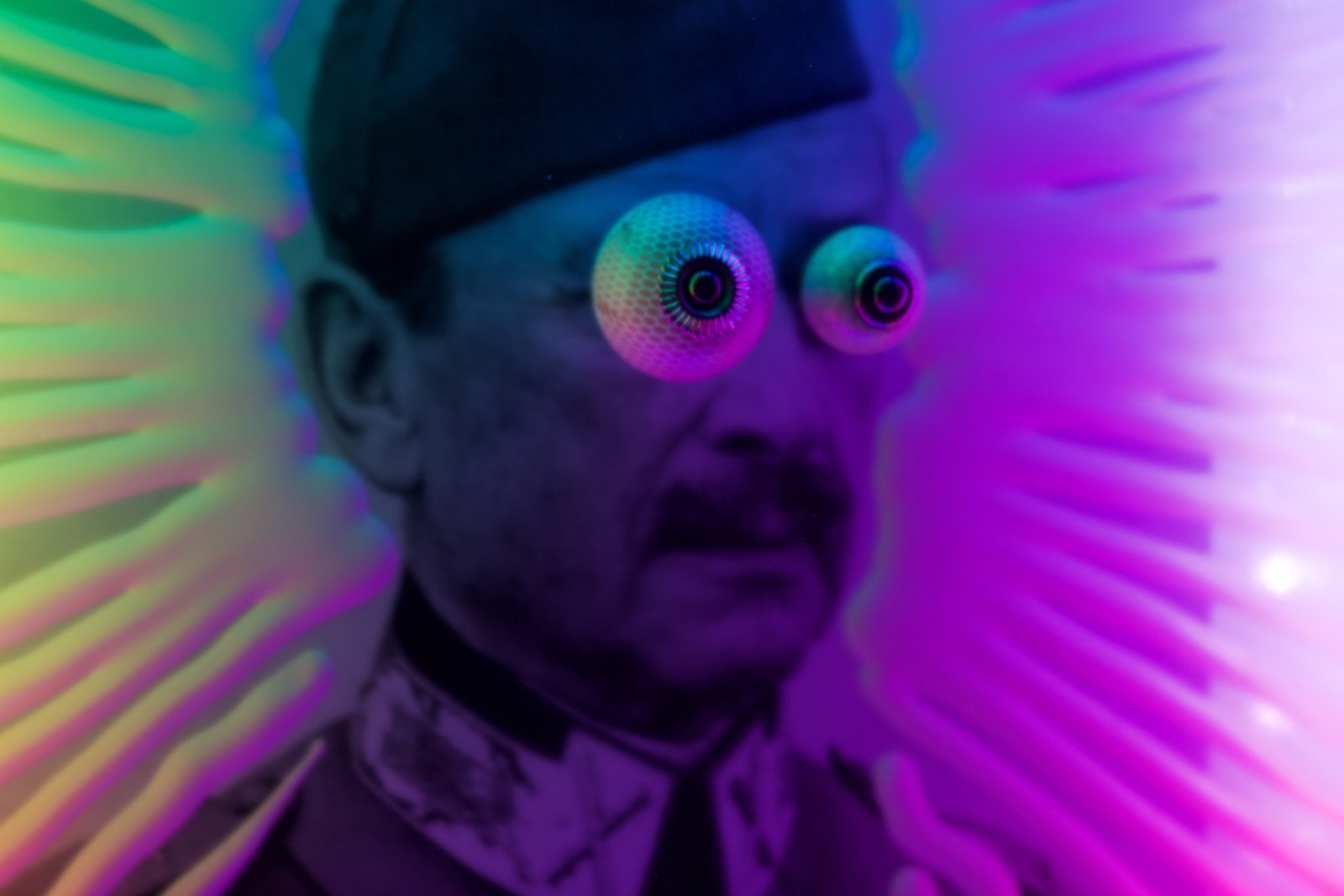
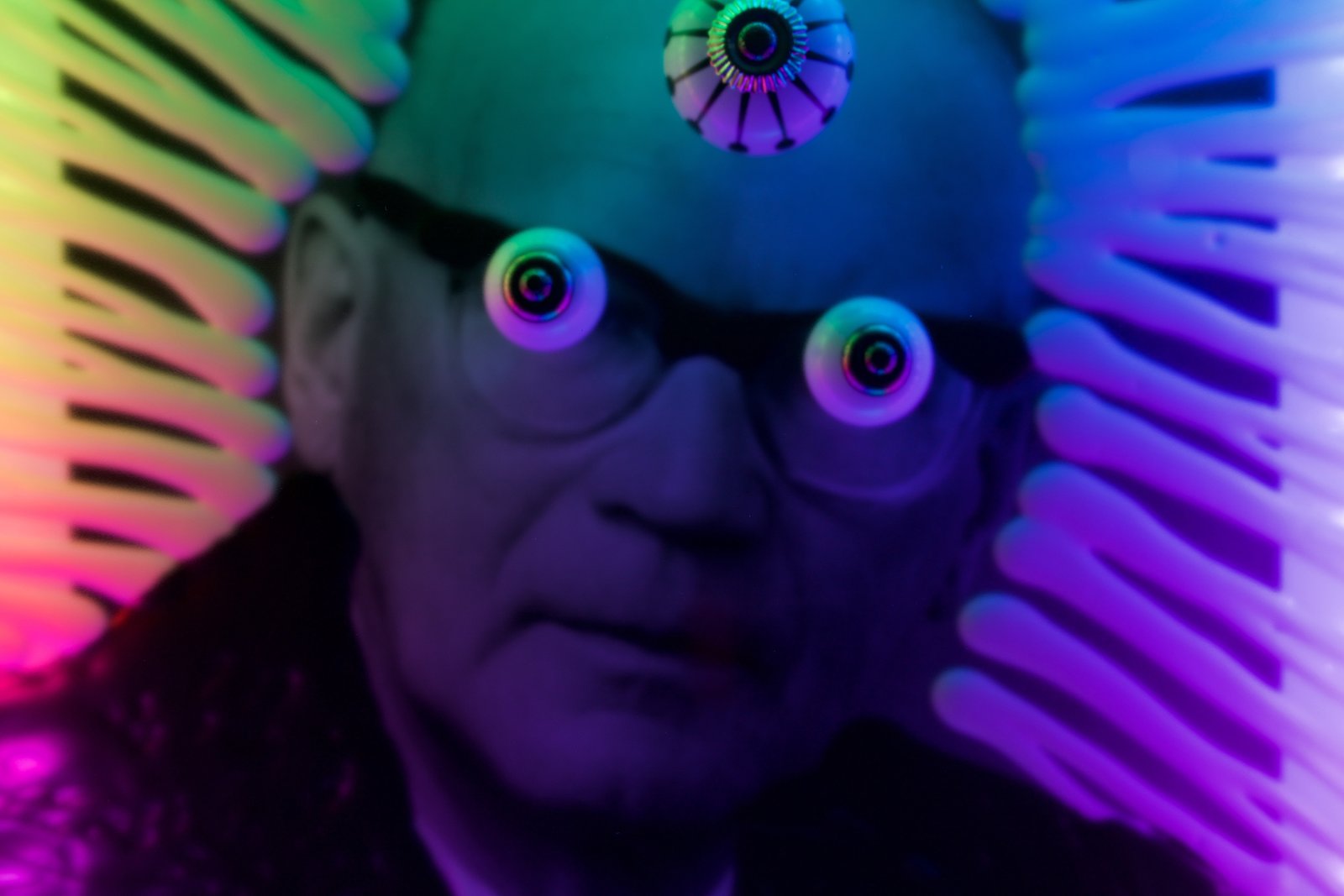
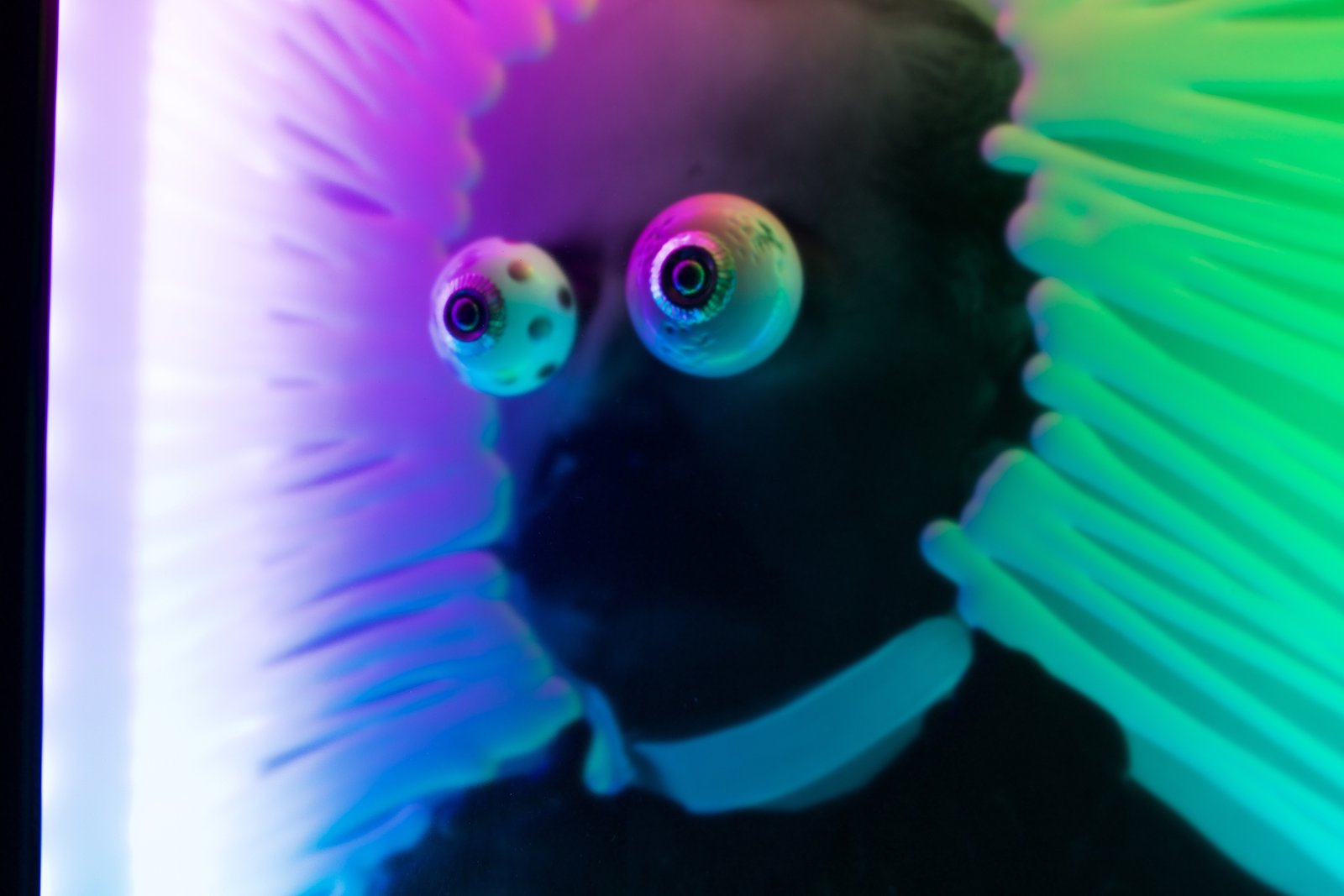
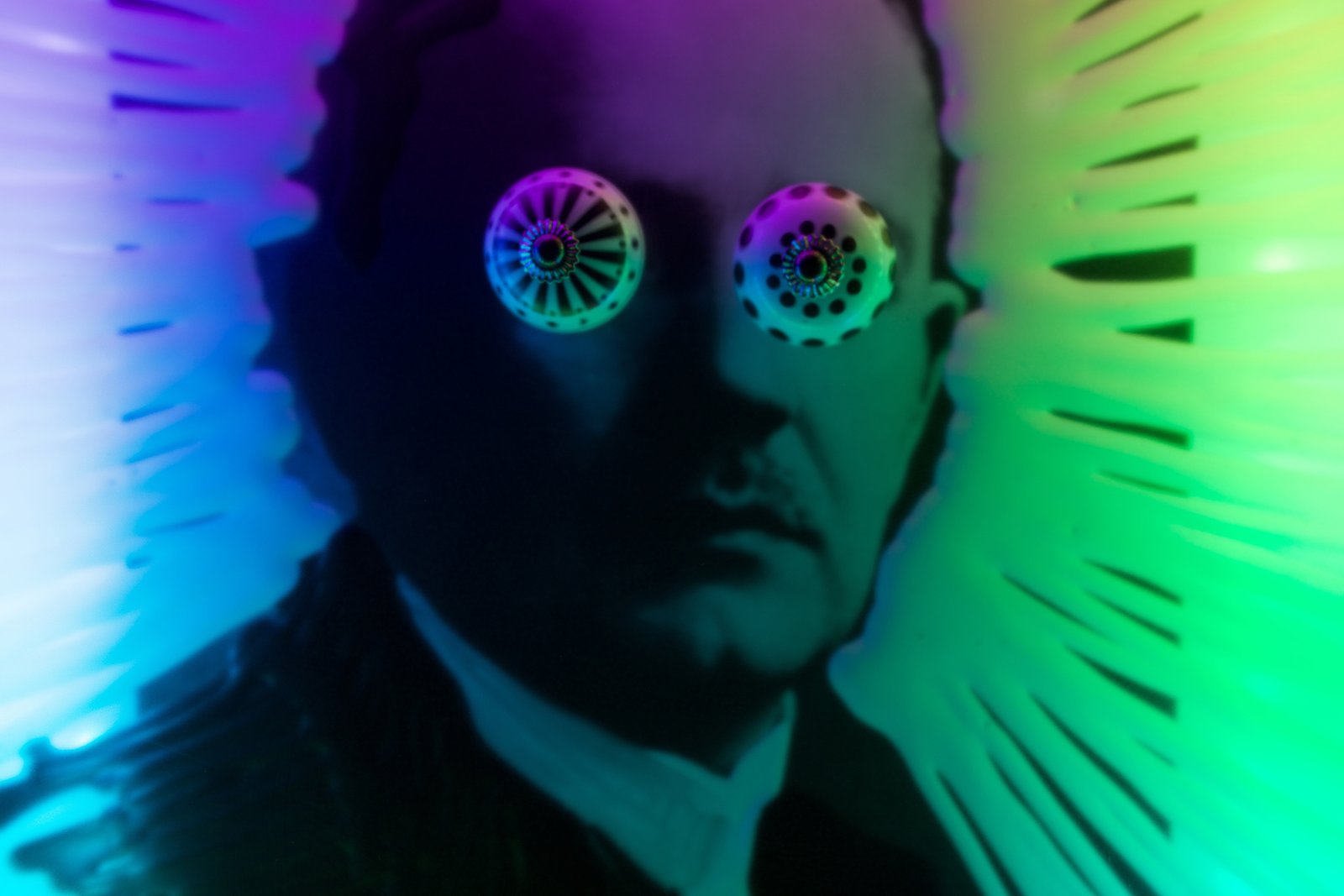
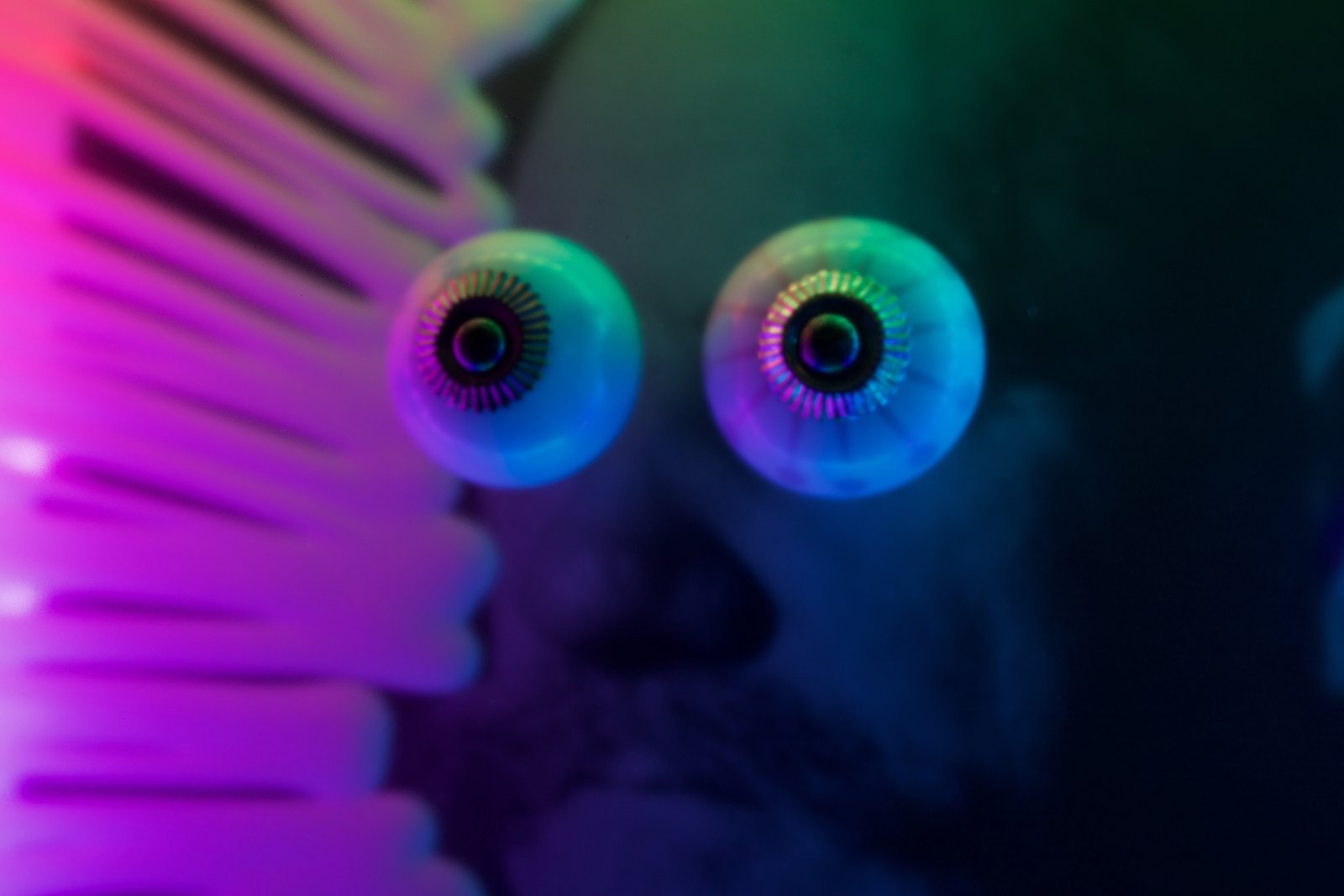
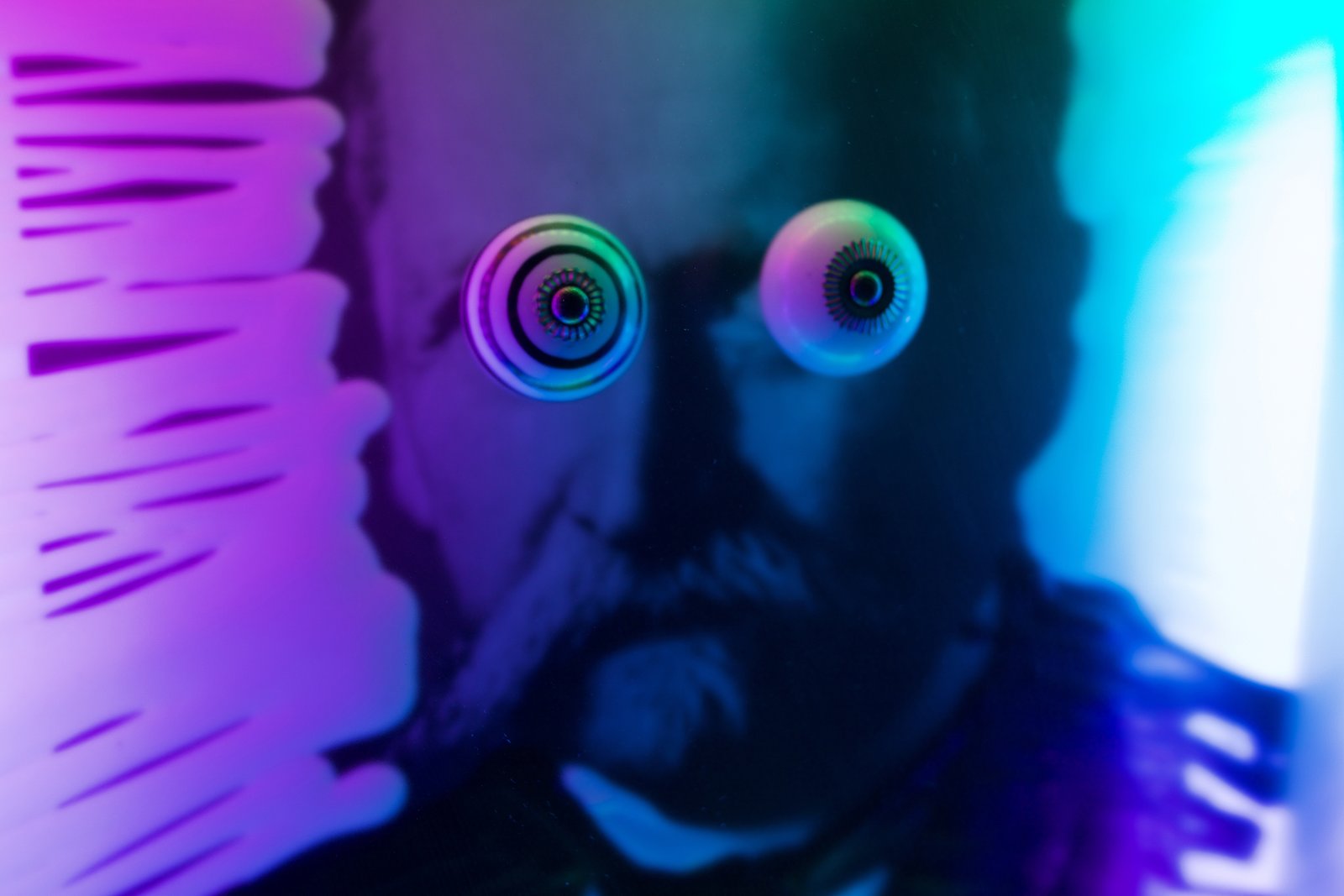
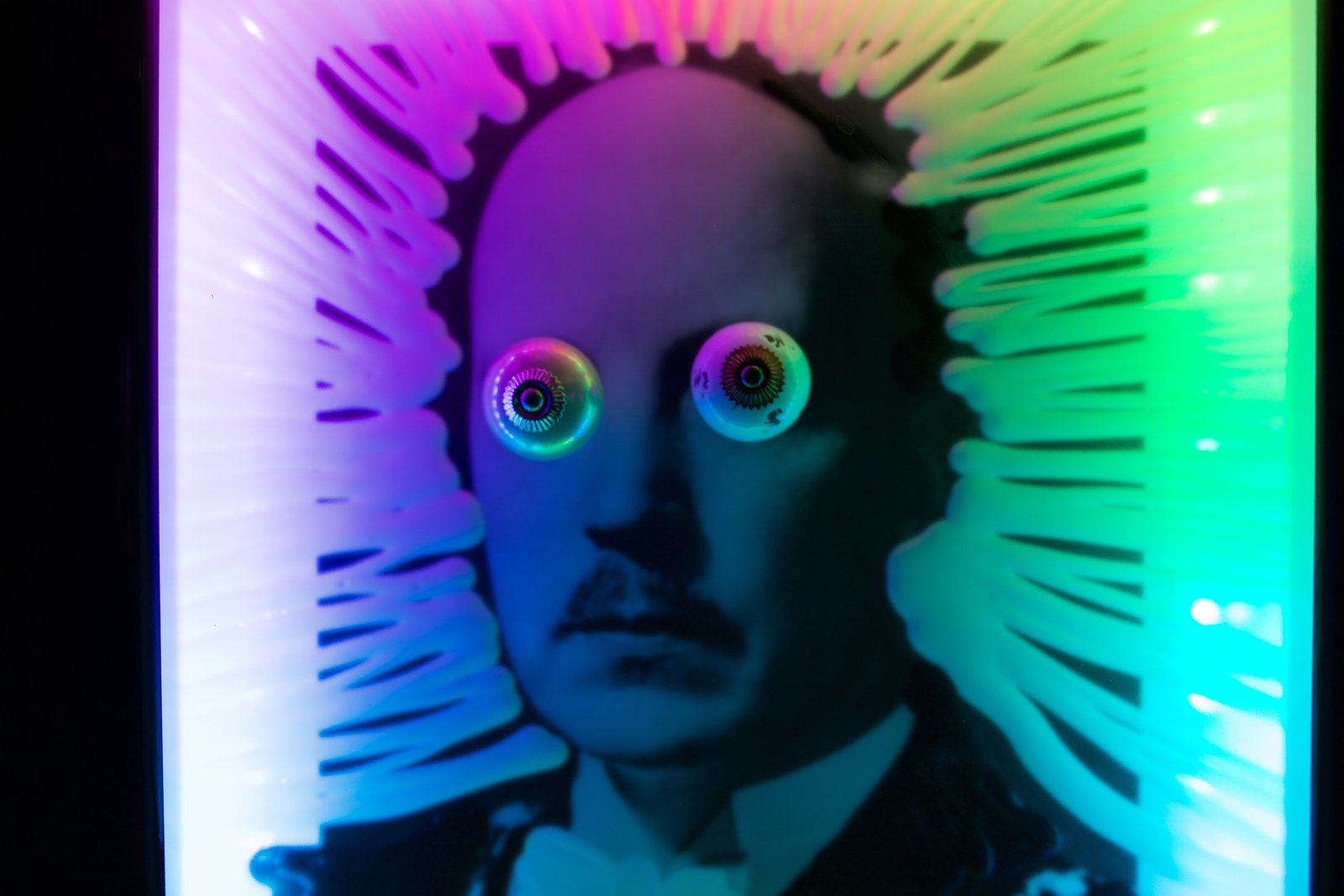
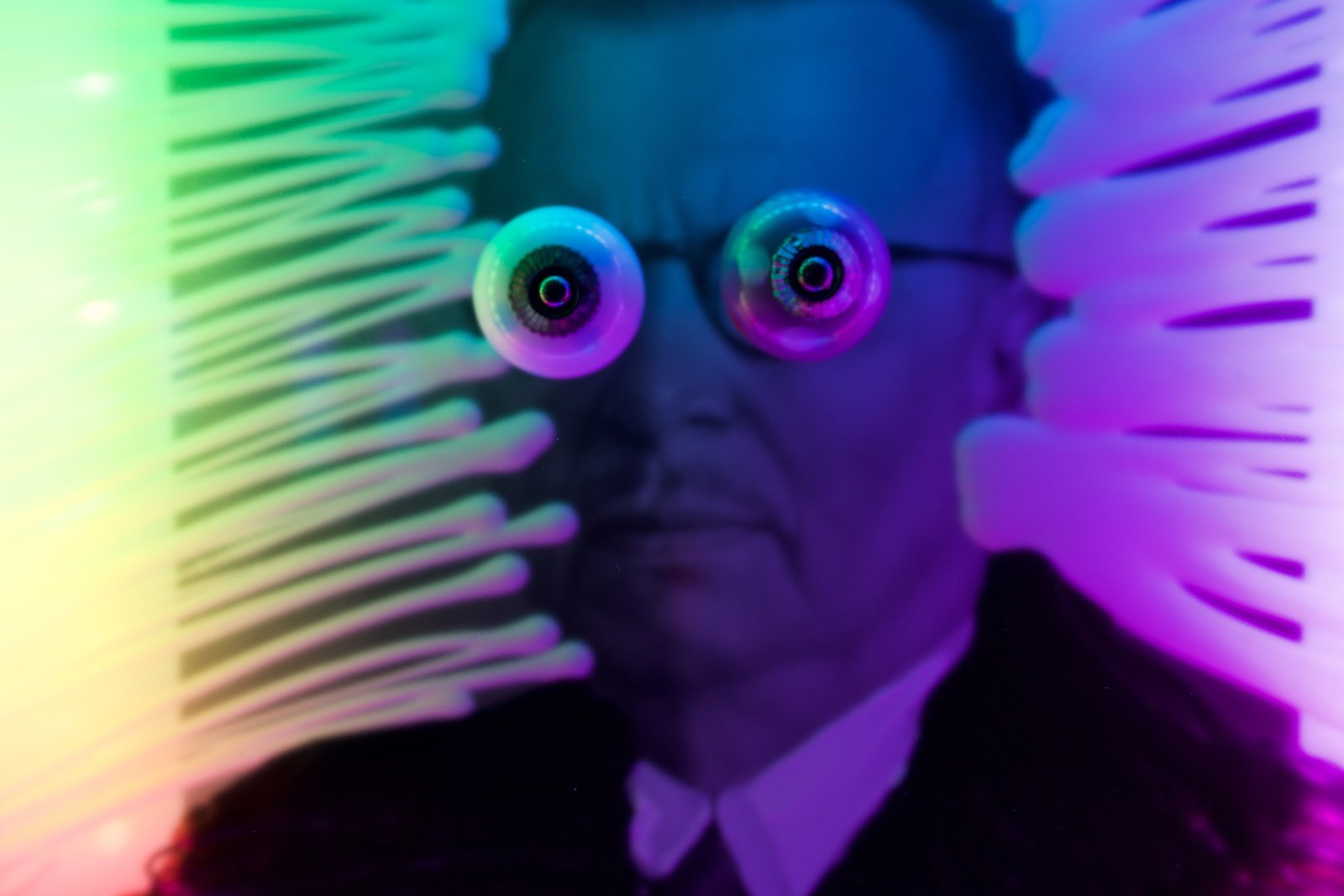
"Grandpa wanted to give it to me years ago. He thought that I would appreciate it – after all, I had given a solemn speech about Carl Gustaf when I was a little boy. Our family was imbued with nationalistic ideals, and I, too, had become permeated by them. I said to my grandpa: 'You can hold on to it a little longer. I will take it when I have a place for it.'
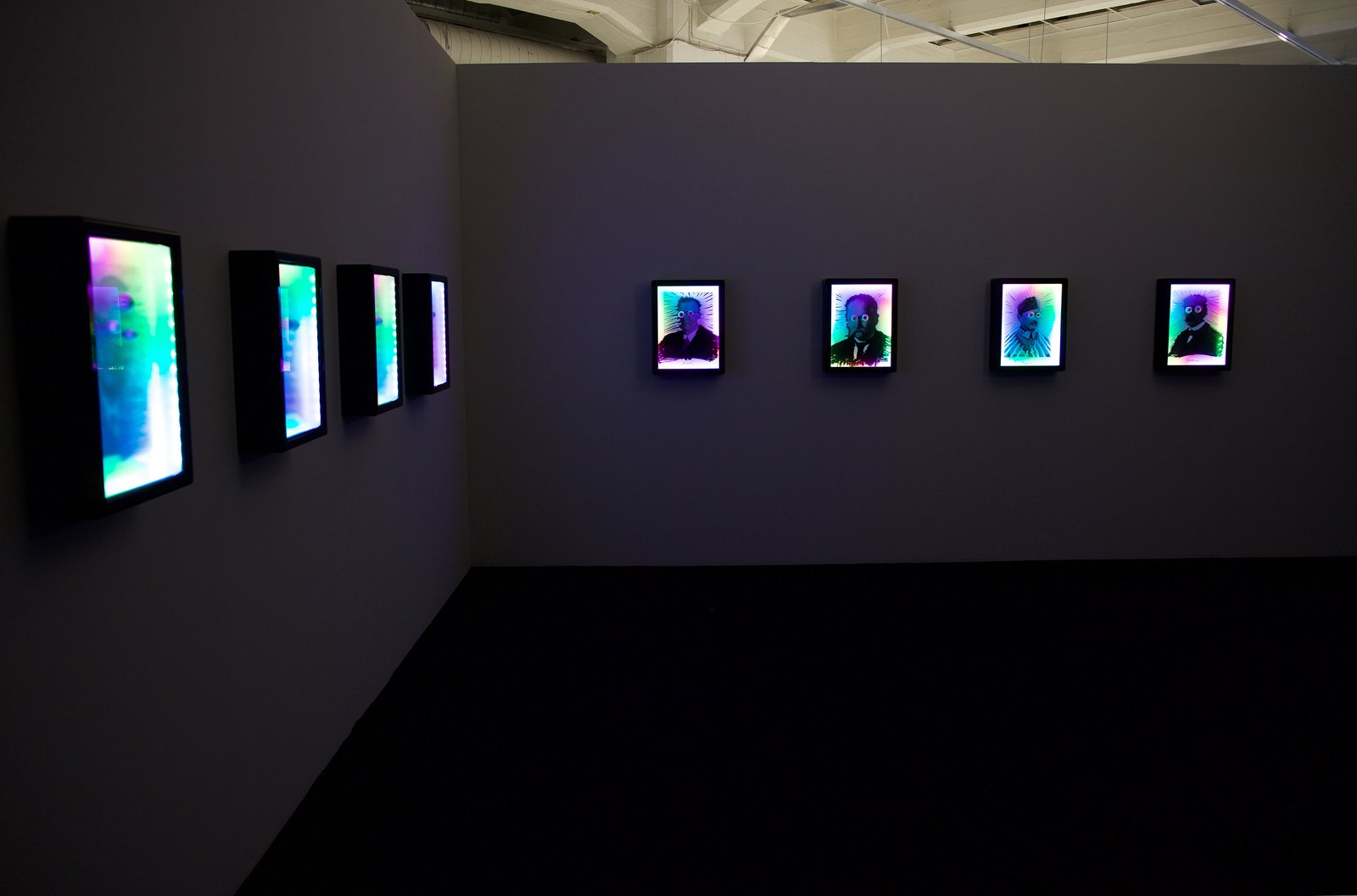
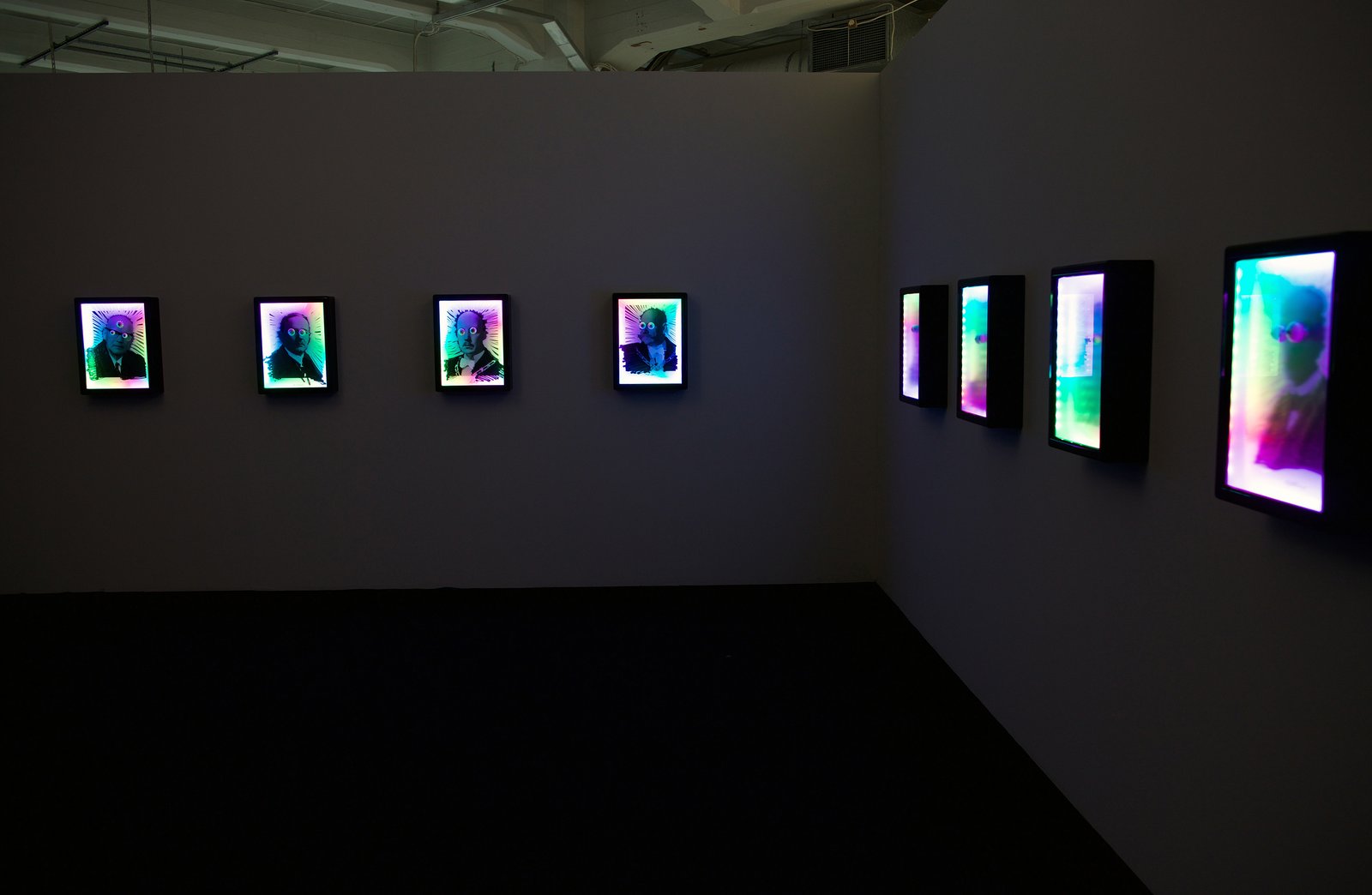
A few years ago that moment came, when my grandparents had died due to the complications of old age. I took the picture to my studio along with the other things they had left behind that I had agreed to take with me. The picture fit in as well as an asylum seeker would in a True Finns' convention, and it did not take me long to come up with the idea to attach bulging eyes to it. And that's how it started."
View all eight portraits
Musta
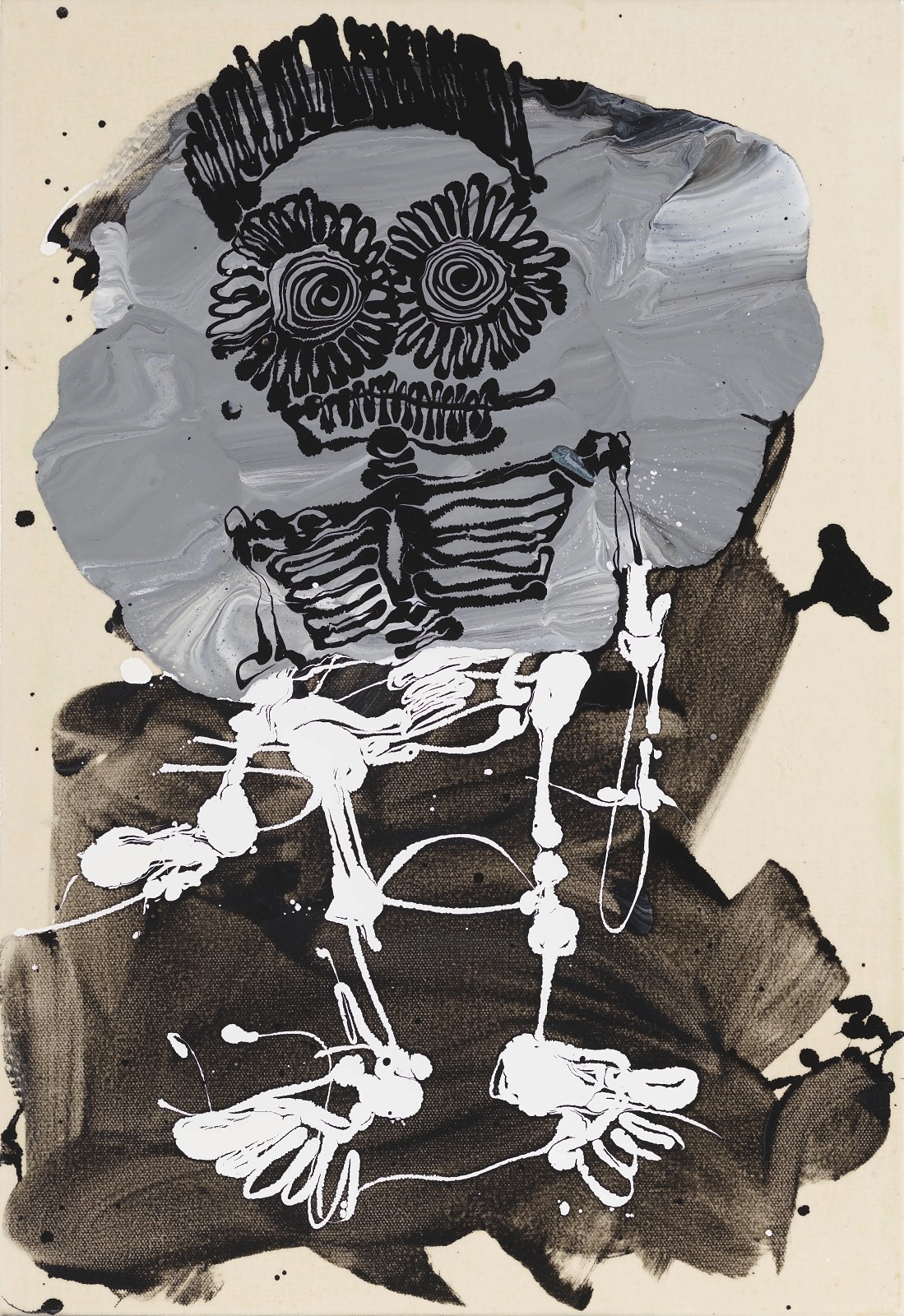
A skeleton drawn in released paint — the artist as catalyst, gravity as co-author. From the poured-paint series born of the deaths of my grandparents, when death first walked into the work and never quite left.
At the time I was painting graphic, death-symbol-laden works in alkyds. Death had come to visit a few years earlier, when my grandparents died — first my grandmother Irma (2013), and half a year later my grandfather Pentti (2013). I no longer knew what to paint or why: their deaths set me drawing bones and skulls. In the midst of bewildered grief I contemplated the finitude of life and worked through it in my art.
The Sinner
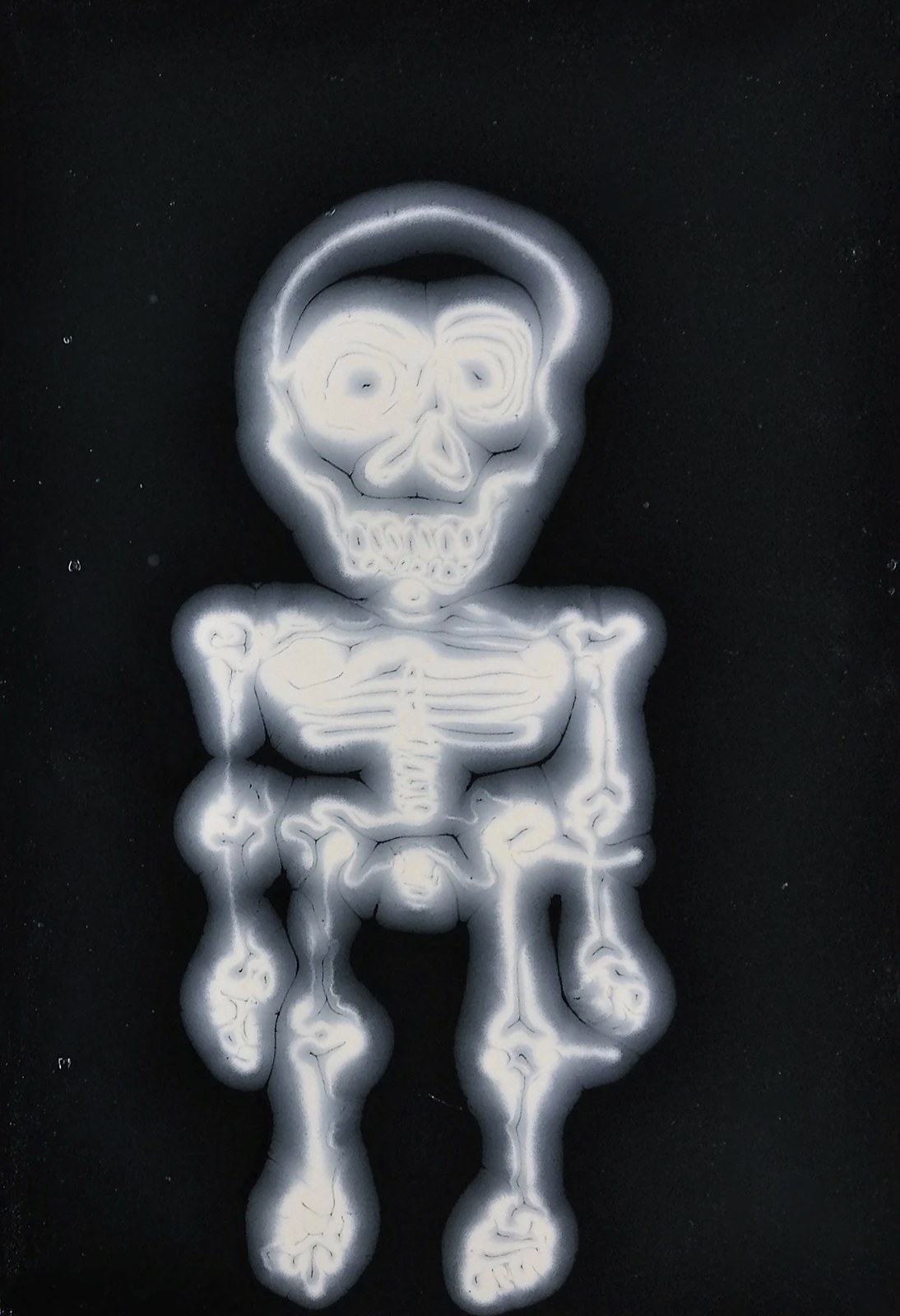
From the same alkyd series as MUSTA: paint released above the canvas, the skeleton settling where it landed — glowing against the black ground like an X-ray.
Lefty Two Guns
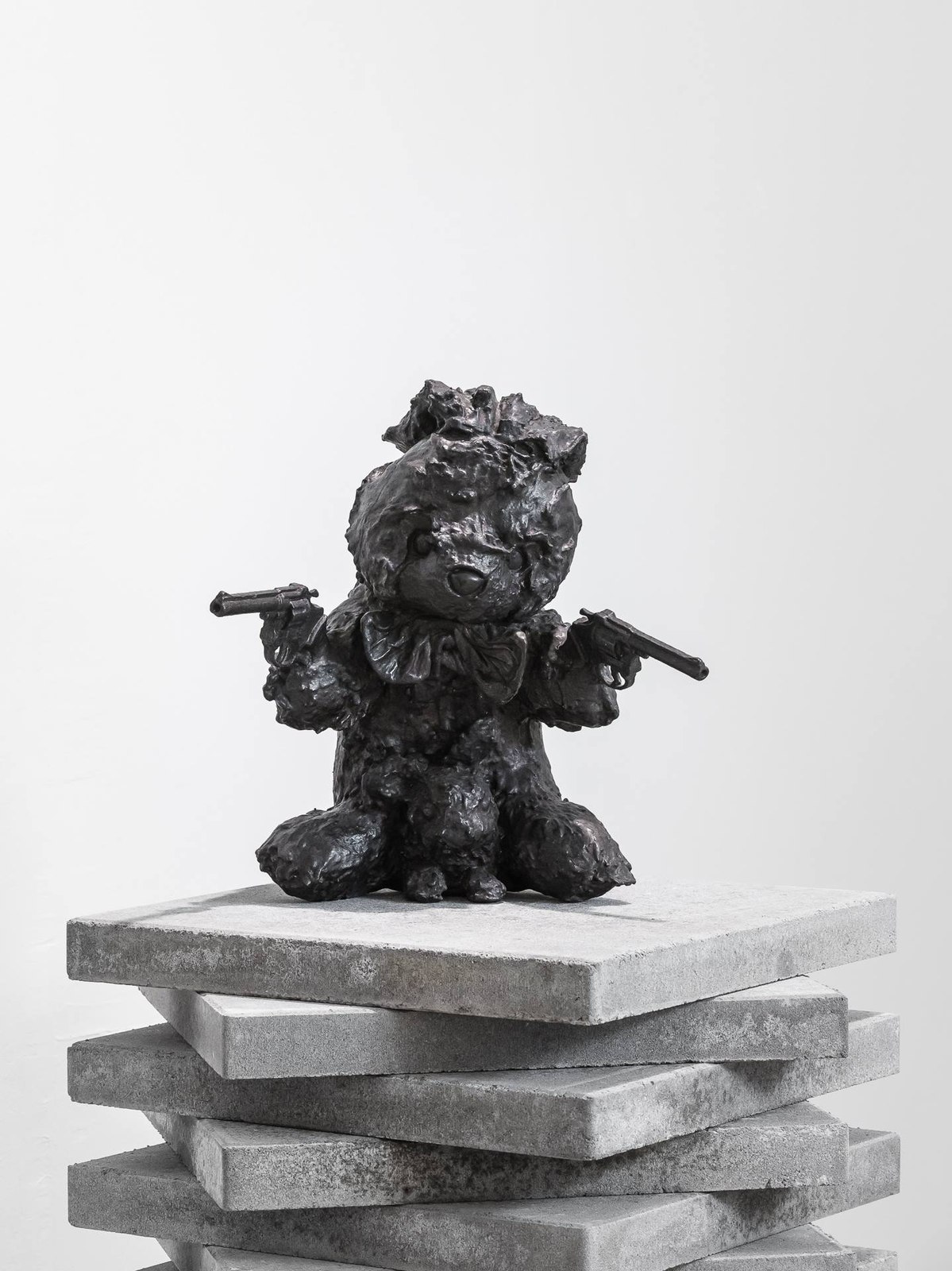
A recycled plush-toy rabbit — soaked, hardened and cast in bronze — waving two toy pistols. Around the time the work was completed I was watching Donnie Brasco, a film based on true events. It follows Benjamin "Benny" Ruggiero, a gangster bored with his life yet devoted to his way of living, who went by several nicknames: Lefty Guns, Lefty Two Guns, Horse Cock and Half Cock, among others.
I identified with the character, and those nicknames made me laugh — Two Guns reminded me immediately of my work. In the end I decided to name the piece after him.
Portrait of Hockey Player Jan Latvala
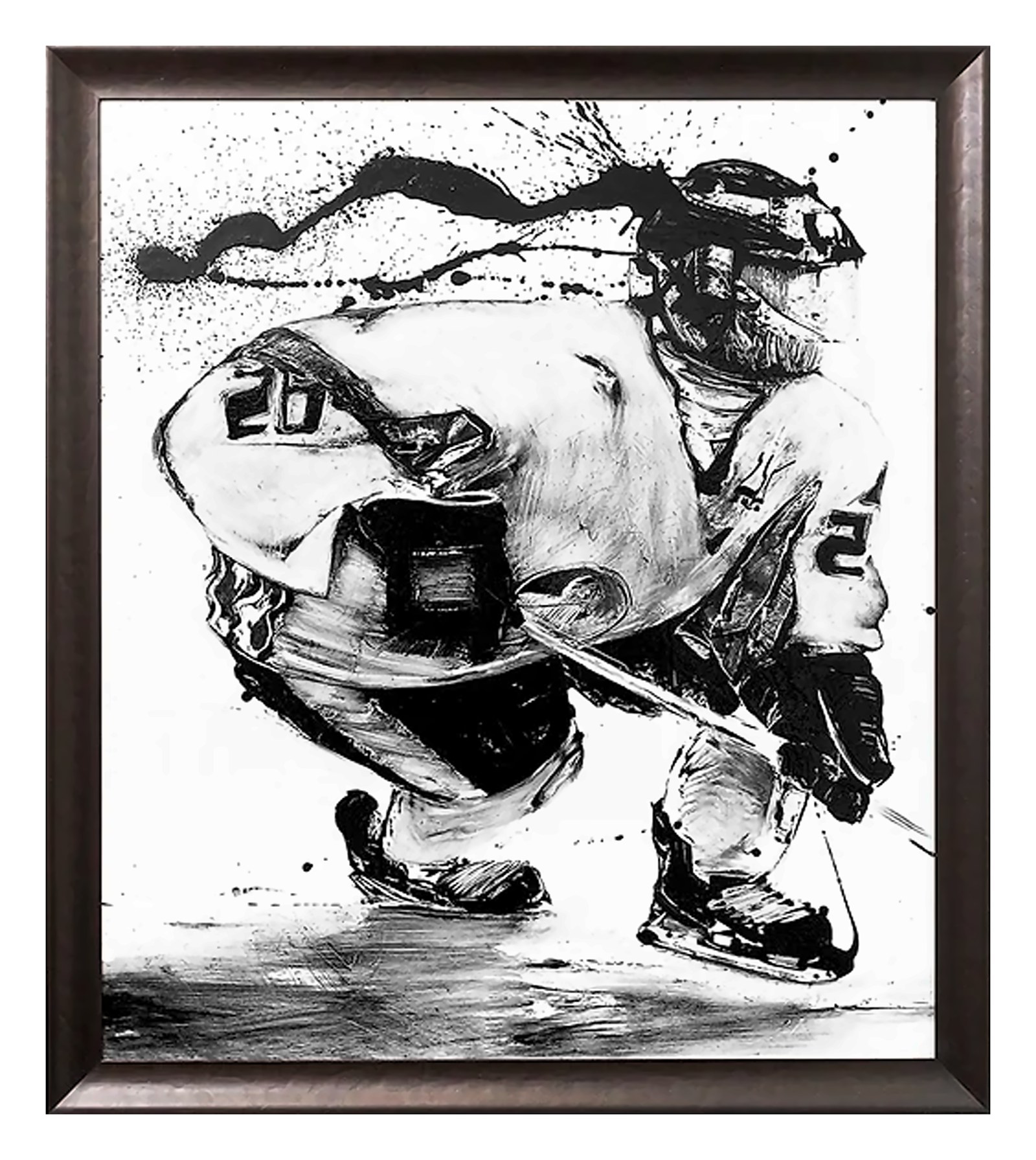
An early commissioned portrait: a hockey player mid-motion, caught in gestural black-and-white — the paint allowed to splash, drip and skid like a skate blade. Proof that the commission practice, and the love of letting material misbehave, were there from the start.